


Dermatology
Compassionate Dermatology Care in Frederick, Maryland
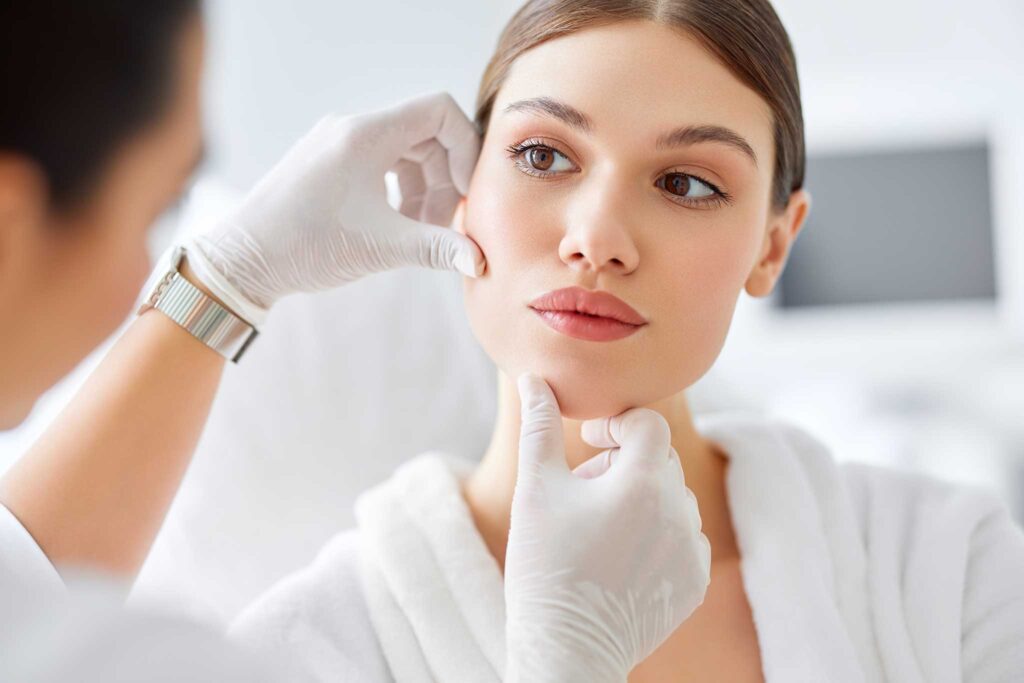
We are excited to deliver high quality, personalized and compassionate dermatology care for the Frederick community and beyond. In addition to skin cancer screenings and skin cancer diagnosis, our wonderful team of medical dermatology PAs consisting of Emily So, PA-C, Jasmine Chaudhary, PA-C and Stella Wong, PA-C, offers diagnostic and therapeutic services for a wide range of conditions related to skin, hair or nails.
Common skin conditions we treat include:
- Acne
- Rosacea
- Ezcema/Atopic dermatitis
- Psoriasis
- Skin infections
- Warts
- Contact Dermatitis
- Hair and Scalp conditions
- Benign skin growths
Why Choose CSSC Dermatology
Personalized, Compassionate Dermatology Care
We are committed to providing high-quality, personalized, and compassionate care to every patient. Your visit is designed to ensure you feel heard, understood, and supported as we address your skin concerns.
Thorough, Comprehensive Evaluations
You can expect a detailed and thoughtful examination at every visit. We take the time to review your history, symptoms, triggers, and presentation to ensure accurate diagnosis and tailored treatment recommendations.
Evidence-Based, Individualized Treatment
We use the latest evidence-based medicine to create personalized treatment plans that address your specific needs. From topical therapies to in-office procedures, our goal is to deliver effective, modern dermatologic care.
Details
Acne is a common skin condition of the pilosebaceous unit (hair follicle and sebum producing gland) which causes open and closed comedones, inflamed papules, pustules and nodules. Acne commonly affects those in adolescence, although it can persist or start in adulthood for some patients. The face, upper chest and back are usually affected by acne and the disease can range in severity from a few, occasional lesions to extremely inflamed, widespread disease.
What causes acne?
- increased sebum production
- disorder of skin turnover process which causes clogged pores and trapped sebum and skin cells
- proliferation of the bacterium Cutibacterium acnes
- inflammatory response to clogged pores.
Acne can also be affected by hormonal changes, stress, medications, diet and other environmental factors.
While acne is often dismissed as a minor condition, regardless of the severity, we know acne can affect more than just your skin, it also affects how you feel about yourself and how you appear. Acne may also cause permanent scars if left untreated.
General tips for acne:
- Avoid picking or manipulating lesions, limit touching your face and other acne prone areas
- Use products that are gentle, hypoallergenic and noncomedogenic.
- Adequate sun protection
What treatments do we offer for acne?
There are numerous over-the-counter and prescription strength topical medications and oral treatments for acne. It can be difficult to determine which products may be effective or may be too irritating for your skin. Our providers understand the importance of adequately controlling acne and will work with you to come up with a personalized acne treatment regimen to target the various causes of your acne.
At CSSC Dermatology we also have the benefit of in-office procedural treatments including peels, lasers, steroid injections and other surgical procedures to reduce the appearance and visibility of certain acne scars.
Atopic Dermatitis is a chronic skin condition characterized by dry, red, irritated and itchy skin. Common areas affected are the face and neck, inside elbows, behind knees, wrists and ankles. The cause of atopic dermatitis is unknown but there are genetic and environmental predisposing factors. Atopic dermatitis is also associated with a personal or family history of allergies, hay fever and asthma. While many cases of atopic dermatitis or eczema begin in childhood, adults can also develop atopic dermatitis. Atopic dermatitis presentation varies greatly from patient to patient. In some mild cases, patients can experience flares with spontaneous resolution but moderate to severe disease often requires treatment. Atopic dermatitis can significantly impact quality of life from chronic itch, severe skin irritation, sleep disturbance and psychosocial stress.
It is important to consult a dermatology provider to rule out other causes of rash and itching for definitive diagnosis of AD. Management of atopic dermatitis often includes topical corticosteroids, topical non-corticosteroids and in some cases, systemic treatment. Lifestyle adjustments are often recommended to maintain a strong skin barrier and avoid common triggers and allergens.
At CSSC we aim to provide the most effective management for atopic dermatitis which entails a detailed, tailored approach and considers individual patient factors and disease severity. Based on your presentation we may perform a biopsy or order further lab testing to rule out other causes of your eczema. We will discuss possible triggers, history and presentation of your condition to determine a personalized regimen to control flares of atopic dermatitis.
One of our skin’s most important jobs is to serve a barrier against allergens, chemicals and pathogens. Our skin encounters foreign organisms daily, some which may cause an infection. The skin can be affected by viruses, bacteria, fungi or parasites and can range from mild, superficial involvement to widespread disease with significant impact on health and appearance. Our expert medical dermatology team is available to help recognize, diagnose and treat these skin infections.
Common viral infections:
- Herpes Simplex Virus (HSV) – commonly causes cold sores or fever blisters around the mouth but can also affect other areas of skin and genitals. HSV is spread through direct skin to skin contact.
- Varicella Zoster Virus (VZV) – causes chicken pox, shingles and other illnesses. Once you have been infected with VZV, the virus stays dormant in nerve cells and can be reactivated at a later time, causing symptoms. VZV is highly contagious to those not immune to the virus.
- Human Papillomavirus (HPV) – causes warts which are rough growths or bumps usually on hands, feet, or genital area.
Common bacterial infections:
- Cellulitis – a bacterial infection of the skin which causes a spreading, red, warm, swollen and tender area of skin. Cellulitis is most common on the legs and caused by introduction of bacteria through a break in skin.
- Erysipelas – infection commonly cause by streptococci involving the dermis layer of the skin which causes red, raised areas of skin with burning, itching and tenderness. This often affects the lower extremities and face. Patients may have experienced cold symptoms or a fever prior or during the skin infection.
- Impetigo – a highly contagious skin infection which appears as red sores or blisters commonly around the mouth or nose that ooze and crust over. This infection usually affects children.
- Folliculitis – inflamed, itchy pink bumps or pustules arising from hair follicles.
Common fungal infections:
- Tinea pedis (Athlete’s foot) – is a fungal infection usually involving the skin between the toes and/or the sides or soles of the feet. This infection can cause itching, burning and sometimes blistering of the skin. The fungi causing athlete’s foot prefer warm, moist and damp environments.
- Tinea corporis (Ringworm) – is caused by the same type of fungal infection that causes athlete’s foot, but on skin on other parts of the body. It often appears as a round, scaly, red rash, sometimes with clearance of the center. The affected areas can itch. Ringworm is spread through direct contact with infected persons, animals or contaminated surfaces.
- Intertrigo – Yeast infections on the skin commonly affect warm, moist folds and can occur during other illness, while taking antibiotics or in diabetes. The normal yeast present on your skin multiplies and overgrows, causing an itchy rash.
- Onychomycosis – a fungal infection of the nail causing thickening, discoloration and flaking.
Parasites:
- Lice – Lice are parasites that commonly infect the scalp. They are spread through physical contact or contact with clothing/linens/furniture of someone who has lice. Lice can cause intense itching of the scalp or other affected areas. There are many at home treatments available to control and eradicate lice.
- Scabies – Scabies is an infestation of the mite, Sarcoptes scabiei, that burrows into skin and causes rash and itching. This rash commonly affects the skin between fingers and other folds of the body. This infestation is highly contagious and spread via physical contact with affected individuals or contaminated materials.
During your visit you can expect a thorough examination to determine the cause of your skin infection. Our medical dermatology team can perform skin cultures, skin biopsies, microscopic exams, and prescribe targeted therapies and recommendations to control the infection and restore your skin health.
Our skin is constantly exposed to numerous environmental conditions and substances. Some of the materials and chemicals we come in contact with can cause rashes. Signs and symptoms of contact dermatitis may include itching, hyperpigmented, thickened patches of skin, dry, cracked or scaly skin, bumps, blisters and even burning or pain.
There are two types of contact dermatitis:
- Allergic contact dermatitis – which develops when you come into contact with an allergen, such as chemicals in makeup and soaps, or plants like poison ivy. This causes an immune response to the allergen which produces a rash. Once you have been sensitized to the allergen, re-exposure to even a small amount of the allergen can cause a reaction. Common allergens include:
- Nickel: frequently used in jewelry, buckles, clothing fastenings and found in certain foods
- Over the counter antibiotic creams
- Balsam of Peru: a common additive in perfumes, cosmetics, hygiene products and flavorings
- Urushiol oil: found in poison ivy, poison oak, poison sumac.
- Irritant contact dermatitis – a nonallergic skin reaction when an irritant (chemicals, materials, excessive exposures) damages your skin barrier and causes a rash. Some irritants can cause a reaction after a single exposure, other times a rash develops after repeated exposures. Common irritants include soaps, bleach, detergents, solvents and hair products. Even excess washing and mechanical scrubbing with water can cause dermatitis.
At CSSC we will conduct a comprehensive history and evaluation of your rash to narrow down the cause of your dermatitis. There are numerous culprits for contact dermatitis, in many cases it can be difficult to pinpoint the exact irritant or allergen but we can assist in managing symptoms of contact dermatitis and recommend changes to your daily routine to eliminate common culprits. Further testing may be warranted and in certain cases we may refer you for skin allergy patch testing.
As we go along in life our skin often grows various spots and bumps. There are many common benign skin growths, some are due to genetics, some due to medical history and others due to the passage of time. Many of these spots can be identified during your total body skin exam.
Common benign skin growths include:
- Dermatofibromas
- Cysts
- Milia
- Sebaceous Hyperplasia
- Seborrheic Keratoses
- Neurofibromas
- Lipomas
- Angiomas
- Benign Nevi
Some alarming signs to look out for in skin growths:
- Lesions with rapid growth – doubling or tripling in size over weeks
- Non-healing wounds or persistent scabs in one area of skin
- Persistent pimple like growths
- Tenderness or pain to a spot
- Spontaneous bleeding of a lesion without picking or scratching
- Change in color to a mole – becoming very dark brown or a mix of brown/pink/white
Please contact our office for an evaluation if you notice any concerning signs with your skin growths. Our CSSC medical dermatology team has extensive experience in identifying and diagnosing benign and suspicious spots. You can be assured that you will have a thorough skin exam, same day biopsies if recommended, and in house referral for skin cancer excisions.
Rosacea is a common chronic inflammatory condition in adulthood, in which patients experience episodes of flushing and redness of the face along with superficial dilated blood vessels, “acne-like” pink papules and pustules. Some other symptoms patients may experience with rosacea are burning, stinging, dryness or edema of the skin. Advanced cases of rosacea can cause thickening of the skin and enlarged oil glands which can change the appearance of a patient’s cheeks and nose.
Rosacea can also affect the eyes (ocular rosacea) and cause burning, itching, dryness or grittiness. While the cause of rosacea is unknown, there are many treatment options to control and prevent rosacea flares. If you believe you are developing rosacea it is important to discuss with a medical professional for definitive diagnosis and treatment.
General Tips for Rosacea:
- Use gentle skin care
- Use adequate sun protection with sun protective clothing and spf30 or higher sunscreen. Remember to reapply sunscreen at least every 2 hours if exposed for long periods of time.
- Avoid hot beverages, alcohol, spicy foods and chocolate which are common triggers of rosacea flares
At CSSC Dermatology we will complete a thorough evaluation and build an individualized treatment plan to best target your rosacea. That regimen may include specific cleansers, moisturizers and prescription topical and/or oral therapy.
We also offer laser treatment for the fine superficial blood vessels and rhinophyma with Surgical and Cosmetic Physician Assistant Jessie Mallalieu, PA-C.
Psoriasis is a chronic, immune mediated, systemic inflammatory condition of the skin in which skin cell growth becomes overactive. There are a few different types of psoriasis with plaque psoriasis being the most common. Other types of psoriasis include guttate psoriasis, inverse psoriasis, pustular psoriasis and erythrodermic psoriasis. Genetic, immunological and environmental factors contribute to the development of psoriasis and the condition may be worsened by certain medications, injury, surgery, smoking, alcohol consumption, metabolic factors and stress.
In plaque psoriasis patients experience scaly, red plaques, often on the scalp, elbows, knees and back. Patients can have associated itching, burning, pain to the affected sites. Psoriasis may also affect the nails or present only as nail changes including thickening, pitting or separation of the nails.
While psoriasis typically presents with skin symptoms, it is a systemic inflammatory condition and is associated with metabolic syndrome, obesity, diabetes, hypertension, elevated cholesterol and heart disease. In some patients, psoriasis can progress into psoriatic arthritis and affect the joints. Early diagnosis and comprehensive management are important to limit long-term burdens of psoriasis.
Although psoriasis is a lifelong condition, the good news is that there are many effective treatment options to control psoriasis. There is a wide range of therapies from topical treatments to systemic oral or injectable treatments. You can expect a thorough examination with our medical dermatology providers and an extensive discussion on psoriasis and treatment options. We aim to meet your needs and goals with treatment of psoriasis and limit its impact on your wellbeing.
Warts are caused by a virus (human papillomavirus) and appear as firm, flesh colored, bumpy growths of the skin. Warts commonly affect the hands, legs and feet but can arise on any part of the skin. They can also spread from one area of skin to another or spread to another person. There are many options for treatment of warts, some of the treatments CSSC offers for warts are cryotherapy with liquid nitrogen, cantharidin or prescription topical medications. These may be used in combination with over-the-counter remedies to target warts. These lesions can be stubborn and may require multiple rounds of treatment for complete resolution.
There are many conditions that can affect our hair and scalp. Our scalp is part of our skin and can be affected by the same growths, skin cancers, infections and inflammatory disorders as the rest of our skin. Symptoms of scalp conditions can include itching, scaling, flaking, redness, irritation, burning and hair loss which can profoundly affect quality of life.
Common Scalp Conditions:
Seborrheic Dermatitis: often presents as oily, adherent scales on the scalp with associated irritation and itching. This condition is caused by overgrowth of yeast on the scalp. Treatment often includes medication shampoos and prescription topical solution or foams.
Plaque Psoriasis: this condition commonly affects the scalp and appears as a thick plaque with white or silvery scale. See our dedicated psoriasis page for more information.
Atopic or Contact Dermatitis: this condition causes red, itchy and inflamed patches due to skin barrier dysfunction, irritant or allergic reactions. Visit our atopic dermatitis and contact dermatitis pages for detailed information.
Folliculitis: a common condition due to inflamed hair follicles cause by bacteria. This often appears as red or pink papules or pustules on the scalp.
Alopecia: the medical term for hair loss. There are many types of hair loss and numerous causes of hair loss including autoimmune conditions, genetic predisposition, stress-induced hair loss, and inflammation related hair loss. Certain underlying medical conditions may also cause hair loss.
Regardless of the condition, hair and scalp maladies can cause significant stress and frustration. At CSSC we understand the importance of a healthy scalp and provide expert dermatologic evaluation to ensure precise diagnosis and offer tailored management for a wide variety of scalp and hair conditions.
Comprehensive, Personalized Dermatology Care
Regardless of the dermatologic condition, you can expect a thorough, comprehensive visit. Our goal is to ensure you are heard and understood, and to offer optimal, personalized options for treatment. As a team we strive to utilize the latest evidence-based medicine to tackle your dermatological concerns!